

If you’re a beginner on a modest budget, buy an entry-level mechanical or basic computerized machine. If you quilt or work with heavy fabrics, prioritize throat space and choose a heavy-duty or quilting-capable model. If you want conveniences like automatic threading and dozens of built-in stitches, a mid-range computerized machine is your best fit. This works for two reasons:
- Ease of use matters more than feature count. A machine that matches your skill level gets used; one that overwhelms you gets shelved.
- Dealer support protects your purchase. Warranty coverage and in-store servicing are what separate a machine you can rely on for a decade from one that becomes a paperweight after year two.
Your next move: write a short list of what you sew and how often, then test machines that fit at a reputable dealer or through a personalized consultation.
Key Takeaways
Choosing the right sewing machine means matching machine category to your skill level and project type, then verifying dealer support before you buy.
| Point | Details |
|---|---|
| Match category to use | Mechanical for beginners and mending, computerized for automation, heavy-duty or quilting-specialized for large projects. |
| Prioritize feed and build quality | Straight stitch consistency, motor strength, and feed systems matter more than decorative stitch counts. |
| Set a realistic budget | Entry-level under $300, mid-range $300 to $1,000, high-end $1,000+ for frequent or specialty use. |
| Test on your own fabric | Bring swatches and fold fabric to simulate seams before deciding on any machine. |
| Check warranty and service | Ask about authorized repair turnaround before buying, not after something breaks. |
| Use a trusted dealer | Sewingmachinesplus offers consultations, financing, price matching, and authorized service for buyers at every budget tier. |
Table of Contents
- What to Know Before You Choose a Sewing Machine
- Which Features Actually Affect Everyday Sewing?
- Which Type of Sewing Machine Fits Your Projects?
- What Should You Expect at Each Budget Level?
- How Do You Test a Sewing Machine Before Buying?
- How Do You Maintain a Sewing Machine Long Term?
- How Sewing Machines Plus Supports Your Decision
- What First-Time Buyers Get Wrong
- Choose Your Next Step With Sewingmachinesplus
- Sources
- FAQ
What to Know Before You Choose a Sewing Machine
Before you look at a single model, answer three questions honestly.
- What will you sew most often? Garment construction, quilting, upholstery, and simple mending each demand different machine strengths.
- How often will you sew, and where? A machine that lives on a dedicated table can be heavier and more powerful than one you pack away weekly.
- What’s your actual skill level? Beginners benefit from simplicity and forgiving tension systems. Intermediate sewists usually want more stitch options and better feed control. Advanced sewists often chase precision, speed, and specialty attachments.
A methodical pre-shopping assessment like this narrows the field fast, and it keeps you from getting talked into features you’ll never touch.
Once you’ve answered those, list your nonnegotiables:
- Throat space (critical for quilters)
- Ability to handle heavy or multiple fabric layers
- Free arm for cuffs and sleeves
- Portability if you’ll be moving it often
- A realistic stitch count, not a marketing number
Pro Tip: Bring this list with you on paper or your phone when you shop. Dealers can point you to the right machine in minutes when they know your real priorities instead of guessing from scratch.
Which Features Actually Affect Everyday Sewing?
Stitch quality beats stitch count almost every time. A machine advertising 200 built-in stitches means little if the straight stitch skips on double layers of denim. Check straight stitch consistency first. Test the zigzag next. Everything else is secondary.
Motor power and build quality decide whether a machine can handle thick fabrics without bogging down or breaking needles. A flimsy plastic-gear motor struggles on canvas, denim, and multiple quilt layers, while a metal internal frame holds up over years of regular use.
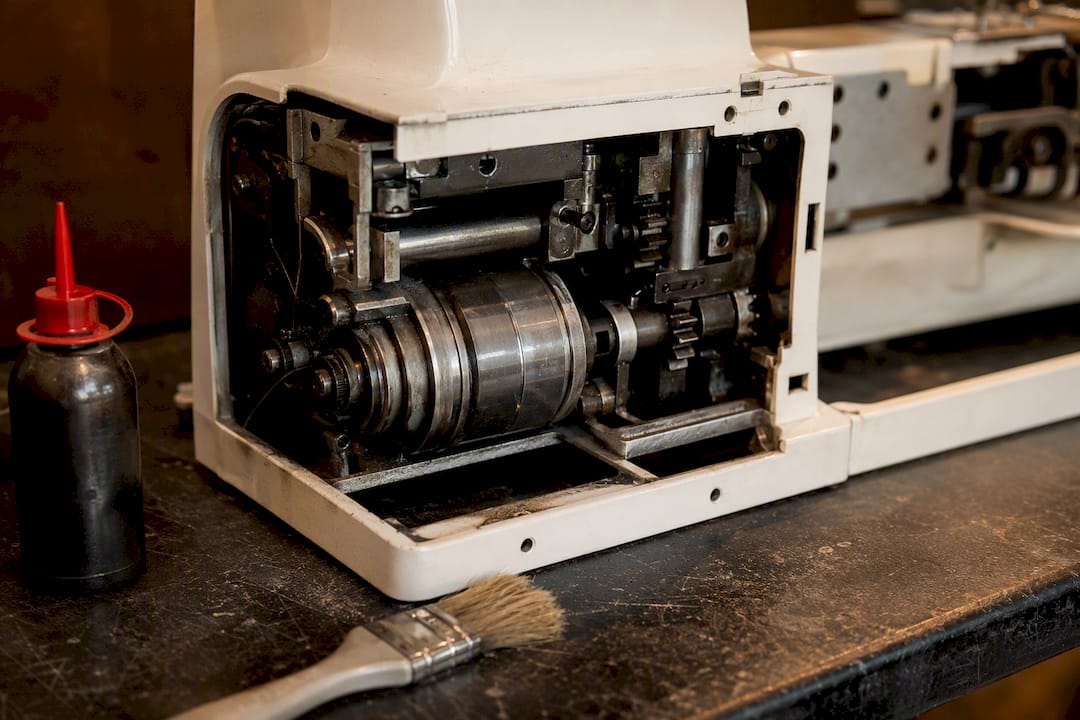
Throat space (the area to the right of the needle) determines how much fabric you can maneuver. Standard machines offer around 6 to 7 inches; quilters working on large bed quilts often want 9 inches or more to avoid wrestling bulky fabric through a cramped space.
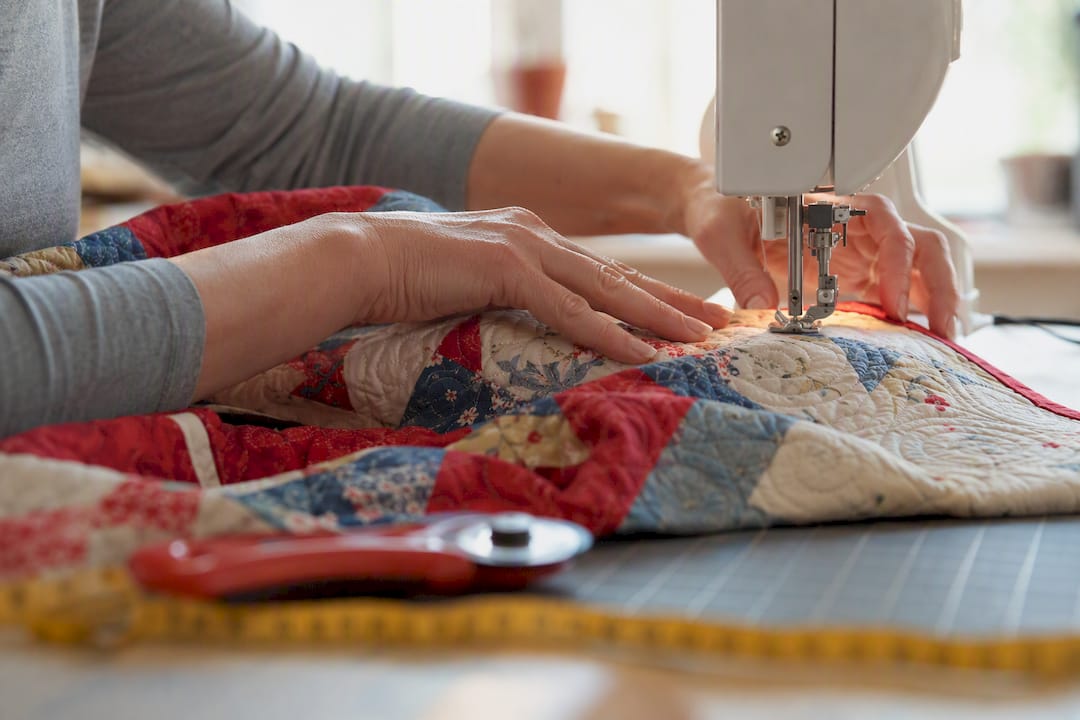
Feed systems matter more than most new buyers realize. A walking foot or built-in dual feed keeps layered fabrics moving evenly, which prevents shifting on quilts, vinyl, and slippery synthetics. If you plan to quilt regularly, this single feature can save you hours of frustration.
A handful of convenience features are worth paying for:
- Drop-in bobbins (easier to load and monitor than front-loading types)
- Automatic needle threaders (a genuine time-saver if your eyesight makes threading tedious)
- Needle-down function (keeps fabric anchored when you pivot)
- Adjustable speed control (useful for beginners easing into confident stitching)
The sewing machine market keeps expanding its feature sets, but the fundamentals above are what determine whether a machine performs reliably five years from now. Chase build quality and feed performance over flashy extras.
Which Type of Sewing Machine Fits Your Projects?
Machine category matters more than brand or model number. Match the type to your actual use case.
- Mechanical machines use knobs and dials instead of digital screens. They’re simple, durable, and budget-friendly, making them ideal for beginners and anyone who mostly mends and hems.
- Electronic machines add push-button stitch selection and some automation while keeping mechanical reliability underneath. This mid-range option suits sewists who’ve outgrown a basic mechanical but don’t need a computerized workhorse.
- Computerized machines offer programmable stitches, automatic tension adjustment, and often touchscreen controls. These fit sewists who will actually use that automation, not those who’ll stick to straight stitches anyway.
- Heavy-duty and industrial machines, like the Juki DDL-8700, are built for long hours at high speed on thick materials. Home sewists doing upholstery or leatherwork often benefit from this category even without industrial-scale output.
- Quilting-specialized machines prioritize wide throat space and consistent feed for large projects.
Buying used? Inspect the bobbin case for wear, test every stitch type, and confirm the motor doesn’t overheat during a 10 minute run. Ask whether any factory warranty transfers. Most used machines from private sellers carry none, which shifts all repair risk to you.
What Should You Expect at Each Budget Level?
Price bands roughly track capability, and knowing what each tier delivers keeps you from overpaying or underbuying.
- Entry-level (under about $300): Suits beginners, occasional sewists, and anyone testing whether the hobby sticks. Expect basic stitch selections, lighter-duty motors, and fewer heavy-fabric options.
- Mid-range ($300 to $1,000): The sweet spot for most hobbyists, with stronger motors, more reliable feed systems, and enough automation to speed up regular projects without overwhelming a newer sewist.
- High-end ($1,000 and up): Justified for frequent quilters, small business owners, or anyone running a machine daily. Expect wider throat space, advanced feed systems, and embroidery capability.
Factor in ongoing costs too. Bobbins, needles, and presser feet add up over a year of regular sewing, and budgeting for accessories upfront prevents the sticker shock that hits many first-time buyers a few months in.
How Do You Test a Sewing Machine Before Buying?
A machine can look perfect on paper and still frustrate you the moment you sit down at it. Testing on your own materials is the only way to know for sure.
- Bring fabric swatches that match your real projects, whether that’s quilting cotton, denim, or a stretch knit. Testing with your own fabric reveals problems a showroom demo fabric never will.
- Fold fabric to simulate thick seams and check how the feed handles the bulk. Try stitching over cardboard to check stitch length accuracy and how well the needle returns for pivoting.
- Ask about warranty length, authorized repair centers, and typical servicing turnaround. A machine with a two-year warranty and a three-week repair wait isn’t the bargain it looks like on price alone.
- Ask whether the dealer offers lessons or workshops. This matters most for first-time buyers who’ll need help beyond the manual.
Local dealers typically offer testing, in-house repairs, and lessons that big-box retailers and online-only sellers usually can’t match.
Pro Tip: If you’re buying private-party, insist on plugging the machine in and running it before any money changes hands. A seller who won’t let you test it is telling you something.
How Do You Maintain a Sewing Machine Long Term?
A simple maintenance routine adds years of reliable use to almost any machine. Oil moving parts every 8 to 12 hours of active sewing, and clean out lint from the bobbin area every 4 to 8 hours, especially if you sew a lot of cotton or fleece. Change your needle roughly every one to two projects, or sooner if you hear popping sounds through fabric.
Regular maintenance at these intervals noticeably extends a machine’s working life, and it costs far less than a repair bill down the road.
Factory-authorized warranty coverage and access to a local service center matter just as much as the maintenance itself. Ask any dealer about typical repair turnaround before you buy, not after something breaks.
- Extended service plans are worth it if you sew heavily or run a small business.
- Dealer maintenance packages make sense for computerized machines with electronic components a home user can’t safely service.
How Sewing Machines Plus Supports Your Decision
Choosing the right category and feature set only gets you halfway. The other half is having somewhere reliable to test, buy, and service that machine for years afterward.
Serviceability and warranty coverage matter as much as the specs on the box. Ask any dealer about authorized repair turnaround and whether lessons come included before you commit to a machine.
Sewingmachinesplus has built its reputation around exactly that kind of support:
- Over 175,000 positive customer reviews
- More than 50 years as an authorized dealer across major brands
- Financing options and a price match guarantee
- Free shipping on orders over $49
If you’re ready to move from research to action, request a personalized consultation, ask about demo units for the models on your shortlist, and confirm warranty and authorized repair options before you check out.
What First-Time Buyers Get Wrong
Most first-time buyers overvalue stitch count and undervalue the feed system and the seller’s service record. I’d rather see someone buy a simpler machine from a dealer who answers the phone than a feature-loaded one from a seller who disappears after the sale.
If you test one thing before buying, test how the machine handles four layers of your heaviest fabric. That single check tells you more than any spec sheet.
— Chris
Choose Your Next Step With Sewingmachinesplus
You’ve done the hard part: figured out what you sew, how often, and roughly what you want to spend. The next step is putting that list in front of people who can match it to an actual machine, not a sales quota. Sewingmachinesplus offers personalized consultations where a real advisor walks through your project list with you, along with financing plans that spread out a mid-range or high-end purchase and a price match guarantee so you’re not left wondering if you overpaid. Every machine comes with access to authorized service, which matters more over five years than any single feature does. Orders over $49 ship free. Visit the Sewingmachinesplus.com landing page to schedule a consultation or browse machines by category, from entry-level basics to the Baby Lock BL6800 for sewists ready to step up.
Sources
- Buying a Sewing Machine | New Mexico State University
- How to Choose a New Sewing Machine - Threads
- What to Consider Before Buying Your First Sewing Machine (2025) - SewingTrip
- The Ultimate Sewing Machine Buying Guide for Quilters and Sewists - FabricCompany
FAQ
What Is the Best Sewing Machine to Buy for Home Use?
The best home machine depends on what you sew most: a basic mechanical or entry-level computerized machine suits general home use and mending, while frequent quilters or garment sewists benefit from a mid-range computerized model with more throat space and a reliable feed system.
Is Brother or Singer Better?
Neither brand is universally better. Both make models across every price tier, so the better choice depends on which specific machine fits your project needs, budget, and access to authorized local service.
Which Sewing Machine Has the Fewest Problems?
Machines with simpler mechanical designs and fewer electronic components tend to have fewer failure points, and reliability across any brand improves significantly when you follow a regular maintenance schedule and buy from a dealer offering authorized service.
What Is the Best Sewing Machine Brand for Home Use?
There’s no single best brand for every home sewist. Sewingmachinesplus carries multiple established brands and can match a specific model to your project list, budget, and skill level during a personalized consultation.
When Is the Best Time to Buy a Sewing Machine?
Retailers often run promotions around major holidays and seasonal sales, but the better strategy is buying when your needs are clear and you’ve tested a machine on your own fabric, rather than waiting for a discount on a model that doesn’t fit your projects.
