


Your sewing machine finishes seams. A serger finishes them like a professional factory did it. There is a difference, and once you see it, you cannot unsee it.
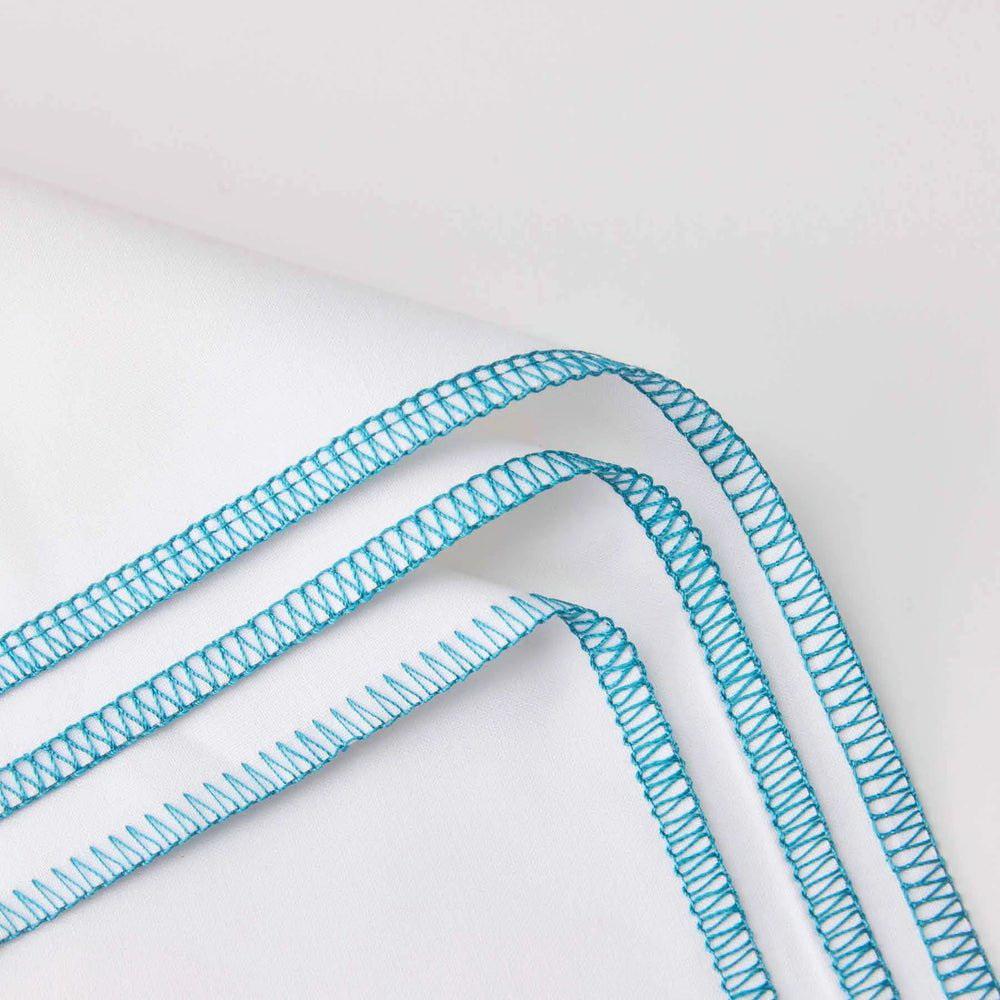
If you’ve been sewing for any length of time, you’ve probably flipped over a piece of store-bought clothing and stared at the inside seams. Those neat, looped, impossibly tidy stitches that encase every raw edge? That’s an overlock stitch. That’s what a serger does. And once you own one, your handmade projects will have that same professional, finished look that makes people assume you bought it somewhere fancy.
A serger — also called an overlocker — trims your fabric, encloses the raw edge, and sews the seam all in one single pass. It’s faster than finishing by hand, cleaner than a zigzag stitch, and it makes working with knits, jerseys, and stretchy fabrics an absolute dream instead of a battle. I got my first serger on a whim and immediately went back and resewed the insides of approximately every garment I owned. My family thought I had lost my mind. My seams had never looked better.
What does a serger actually do?
A serger uses multiple threads — typically three or four — along with two loopers and one or two needles to create an overlock stitch that simultaneously sews, trims, and encases the raw fabric edge in one smooth pass. The built-in blade trims away the excess seam allowance as the machine moves forward, leaving you with a clean, professional edge that won’t fray, unravel, or look sad in the wash.
Beyond basic overlocking, most sergers can also create rolled hems (those beautiful tiny hems on silk scarves and napkins), flatlock stitches for decorative seams, and gathered ruffles using the differential feed. Some higher-end models also do a coverstitch — that two-row stitch you see on the hems of T-shirts and activewear — which is a genuinely life-changing feature if you sew with knits.
The features that actually matter when buying a serger
Walk into a serger conversation without knowing what to look for and you’ll be buried in specs within thirty seconds. Here’s what actually matters — and what you can safely ignore.
What you can safely ignore
A long list of built-in stitches sounds impressive but most serger sewists use three or four stitches regularly and never touch the rest. Don’t let a giant stitch count be the deciding factor. Focus on the features above, and let the stitch count be a bonus rather than the headline.
Do I really need a serger if I already have a sewing machine?
Yes. I mean — technically no, it’s not required. You can finish seams with a zigzag stitch on your regular machine and life will go on. But a serger does in one pass what takes three steps on a regular machine, and the results are genuinely, visibly better. If you sew garments, activewear, children’s clothing, swimwear, or anything with a knit or stretch fabric, a serger will change your life. If you mainly sew quilts and home dec with woven fabrics, a serger is still very useful — just not quite as urgent.
The short answer: if you’re asking whether you need one, you probably already know you do. You just needed someone to say it out loud.
What about thread — does it matter?
Oh, it matters. A serger goes through thread at a startling rate — much faster than a regular sewing machine — because it’s using three or four threads simultaneously. This means two things: you need more thread on hand than you think, and the quality of that thread has a direct impact on your results.
Serger thread is typically wound on larger cones rather than the small spools you use on your regular machine. Cone thread is designed to feed smoothly at the higher speeds a serger runs, with less twist and more consistency than regular sewing thread. Using regular sewing thread in a serger can work in a pinch, but you’ll go through spools at a rate that will make your wallet cry, and you may have more tension and breakage issues than you would with proper serger cone thread.
Our recommended sergers by price point
We carry sergers at every level, from friendly entry-point machines that will have you overlocking beautifully within an hour of unboxing, to professional-grade powerhouses built for serious production. Here are our team’s top picks at each tier — with honest notes on who each machine is best for.
Entry level — Great results without the sticker shock
If you’re new to serging and want to see what the world is all about without a huge investment, these are our picks. All have differential feed, color-coded threading, and everything a beginner genuinely needs.
Singer S0100 Overlock Serger Machine
The Singer S0100 is the perfect first serger for anyone who wants to see what professional seam finishing looks like without a big investment. It handles 2, 3, and 4 thread configurations, includes differential feed to prevent stretching on knits, and comes ready to overlock right out of the box. If you’ve been finishing seams with a zigzag and wondering if there’s a better way — there is, and this is it.
Shop Now →Juki Garnet Line MO-623 1-Needle, 2/3 Thread Serger w/ Instructional DVD
Juki’s Garnet Line brings their legendary industrial reliability into a home-friendly package. The MO-623 is a 2/3 thread serger with Juki’s famously smooth feeding system, making it an excellent choice for sewists who want a step up in build quality from basic entry-level machines. The included instructional DVD gets you threading and stitching confidently from day one.
Shop Now →Baby Lock Vibrant Serger Machine
Baby Lock has been making sergers longer than almost anyone, and the Vibrant is their entry into accessible serging done right. Color-coded threading paths make setup less intimidating for beginners, while the reliable stitch quality and smooth differential feed deliver results that will make your garment insides look genuinely impressive. A strong first serger from a brand that stands behind their machines.
Shop Now →Mid range — More features, more fun
Once you’ve decided you’re serious about serging — and you will be — these machines reward you with better threading systems, more stitch options, and the kind of smooth, reliable performance that makes every project a pleasure.
Janome MyLock 454D Sailing Line Serger Machine
Janome’s MyLock 454D is a workhorse mid-range serger built for sewists who are serious about garment construction. It handles 2, 3, and 4 thread configurations with ease, features Janome’s reliable tension system, and sews through everything from sheer chiffon to heavy denim without complaint. If you’re ready to move past your first serger and into something that will last for years, this is a machine worth the investment.
Shop Now →Singer 14T968DC 5-Thread Serger w/ Cover Stitch
Five threads and a built-in coverstitch in one machine at this price point is genuinely impressive. The Singer 14T968DC handles overlock seams and the coverstitch hem that’s on every T-shirt and piece of activewear you own — without needing a second machine. If you sew knit garments regularly and want a complete solution without a premium price tag, this is the one to look at first.
Shop Now →Juki Pearl Line MO-655 2/3/4/5 Thread Serger
The Juki MO-655 is where serious serging begins. With 2, 3, 4, and 5 thread capability, a safety stitch option, and Juki’s commercial-grade build quality in a home machine body, this serger handles whatever you throw at it. Smooth, fast, and incredibly consistent — sewists who upgrade to this machine from an entry-level serger consistently describe it as a revelation. Worth every penny for anyone who sews regularly.
Shop Now →High end — Air threading and zero regrets
These are the machines serious sewists dream about. Air threading means you thread the loopers with a literal puff of air — no tweezers, no squinting, no colorful language. Automatic tension, wider stitch options, coverstitch capability — if you sew a lot and you want the best, this is the category that delivers it.
Baby Lock Celebrate Serger Machine
The Baby Lock Celebrate brings Baby Lock’s signature jet air threading to a more accessible price point, making looper threading a matter of pressing a button rather than a test of patience and eyesight. Automatic tension, smooth differential feed, and Baby Lock’s legendary stitch quality make this an excellent choice for sewists who want the premium Baby Lock experience without moving into the top tier of the lineup.
Shop Now →Juki MO-3000QVP Akane Air Threader Serger Machine
Air threading on a Juki. That sentence alone should tell you everything. The MO-3000QVP uses Juki’s advanced air threading system to feed thread through the loopers automatically — a feature that turns the most dreaded part of serging into something you almost look forward to. Add automatic thread tension, a wide range of stitch options, and Juki’s commercial-grade engineering, and you have a machine that serious sewists and small production operations will appreciate every single day.
Shop Now →Baby Lock Splendor 8 Thread Serger
Eight threads. Jet air threading on every looper. Automatic thread delivery that eliminates tension adjustments entirely. The Baby Lock Splendor is in a category of its own — a machine built for sewists who serge daily, work across a wide range of fabrics, and want their machine to keep up without complaint or fuss. If you are ready to invest in a serger you will never need to replace, this is it.
Shop Now →Combo serger + coverstitch machines
If you sew a lot of knit garments — T-shirts, leggings, activewear, kids’ clothes — a combo machine that does both serging and coverstitching is the single best investment you can make. The coverstitch is what creates that professional two-row hem on every T-shirt you own. Having it built into your serger means one machine, two superpowers, and a whole lot of finished hems you’ll be incredibly proud of.
Baby Lock Applaud Creative Top Cover Stitch Serger
The Baby Lock Applaud is built around the coverstitch — the professional two-row hem stitch that defines the look of activewear, T-shirts, and knit garments everywhere. While it also serges beautifully, its standout feature is the creative coverstitching capability that lets you hem knit garments with the same professional finish you see on store-bought clothing. If hemming knits has been your nemesis, the Applaud is your answer.
Shop Now →Baby Lock Triumph Serger & Coverstitch Machine
The Baby Lock Triumph is the most complete serger and coverstitch combination available for home sewists. RevolutionAir threading threads all the loopers with a push of a button — the first time you see it happen you will actually laugh. Automatic Thread Delivery eliminates tension adjustments on any fabric. Eight threads, 87 stitch combinations, chain stitch, coverstitch, triple coverstitch — this is the machine serious garment sewists dream about and then never want to sew without again.
Shop Now →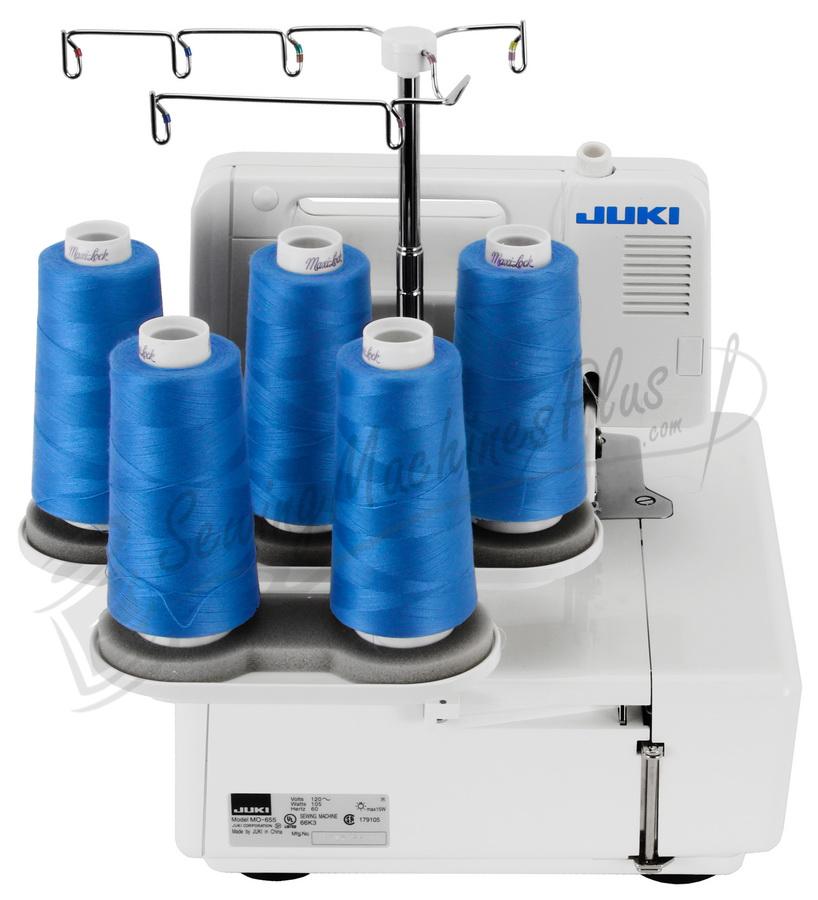
Stock up on the essentials
A great serger paired with the right supplies is an unstoppable combination. Here’s what we recommend grabbing alongside your new machine.
Maxi Lock Serger Thread
The go-to cone thread for sergers — smooth, consistent, and available in a full range of colors. Stock up on neutrals and you’ll be covered for almost every project. $5.99 per spool.
Klasse Serger Needles 90/14 6-Pack ELx705
Serger needles are the same ELx705 system used in most home sergers — keep a pack on hand because dull needles are the number one cause of skipped stitches and thread breakage. $3.99 for a 6-pack.
Baby Lock Havel’s Serger Tool Kit
Everything you need to keep your serger running smoothly — tweezers, brush, seam ripper, and more. The kind of kit you wish you had bought the same day as the machine. $49.99.
Fine Point Oiler with 30 wt. Light Sewing Machine Oil
Sergers need oiling more frequently than regular sewing machines — a drop of quality light oil in the right places keeps everything running smoothly and quietly. This fine point oiler makes application easy and mess-free. $6.99.
One last thing — threading
Every single person who has ever bought a serger has had a moment - usually in the first week - where they stood in front of the machine, thread in hand, and wondered what they had gotten themselves into. This is normal. This is the serger rite of passage. Threading a serger is genuinely more complex than threading a sewing machine, and the first few times feel like solving a puzzle blindfolded.
And then one day it clicks. You thread it quickly and confidently without even looking at the manual, and you feel like an absolute wizard. That day comes faster than you think - especially with a color-coded machine. Until then, take it slow, follow the numbers, and remember that every serger expert in the world has been exactly where you are right now.
A serger is one of those tools that sewists put off buying for years and then immediately wonder how they ever lived without it. The professional finish it gives every seam - every single time, automatically - is genuinely hard to describe until you’ve seen it happen in front of you. If you’re on the fence, come see us or call one our our sewing experts. We’ll show you what one can do and let the results do the talking.
Our team has been matching sewists with the right machines for over 20 years. Call us at (800) 401-8151 or browse our full serger collection at SewingMachinesPlus.com - we’re always happy to help you find the one that fits your projects, your budget, and your life.
Happy serging — and may your seams always be as tidy on the inside as they are on the out.
